
Last updated September 10, 2026
Full 25-point door and opener safety check with every visit - springs, cables, rollers, tracks, and your LiftMaster or Chamberlain opener included
You get a price before we start. It does not change when the truck arrives.
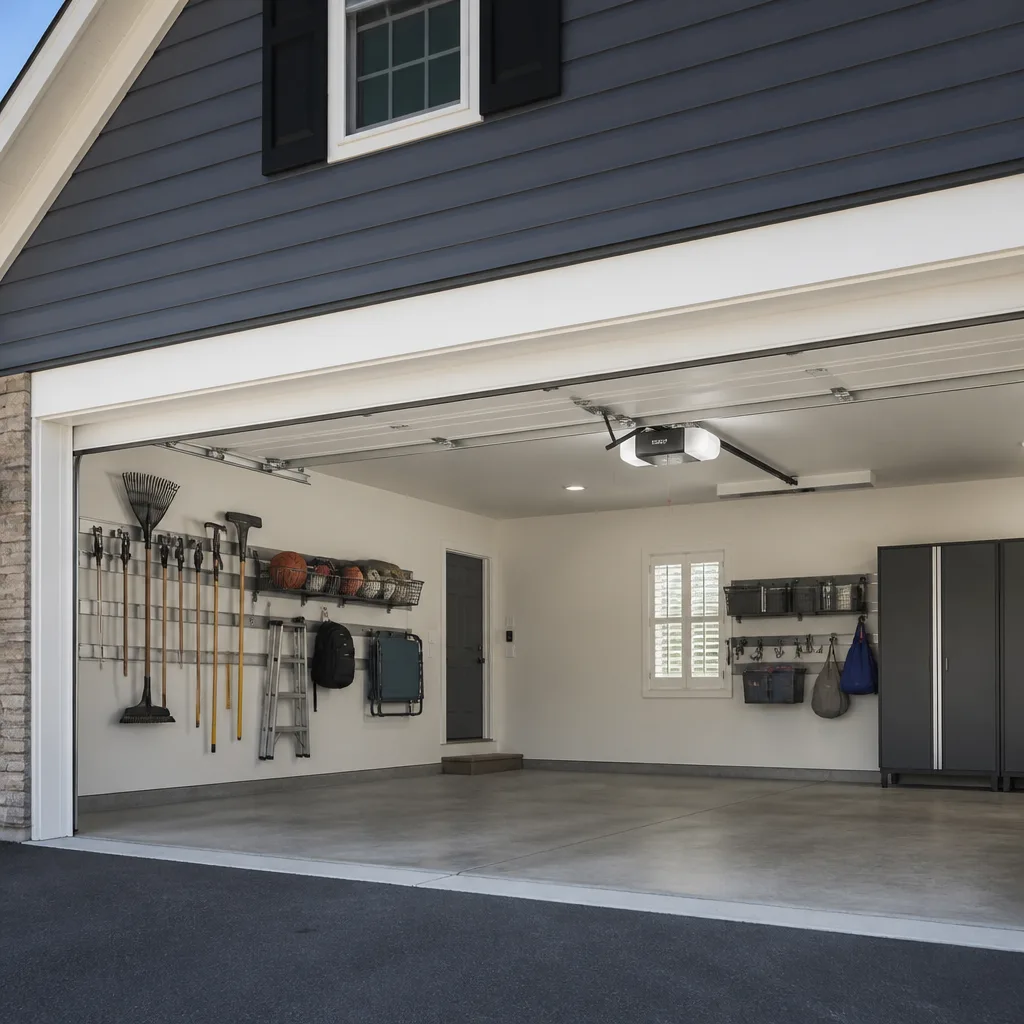
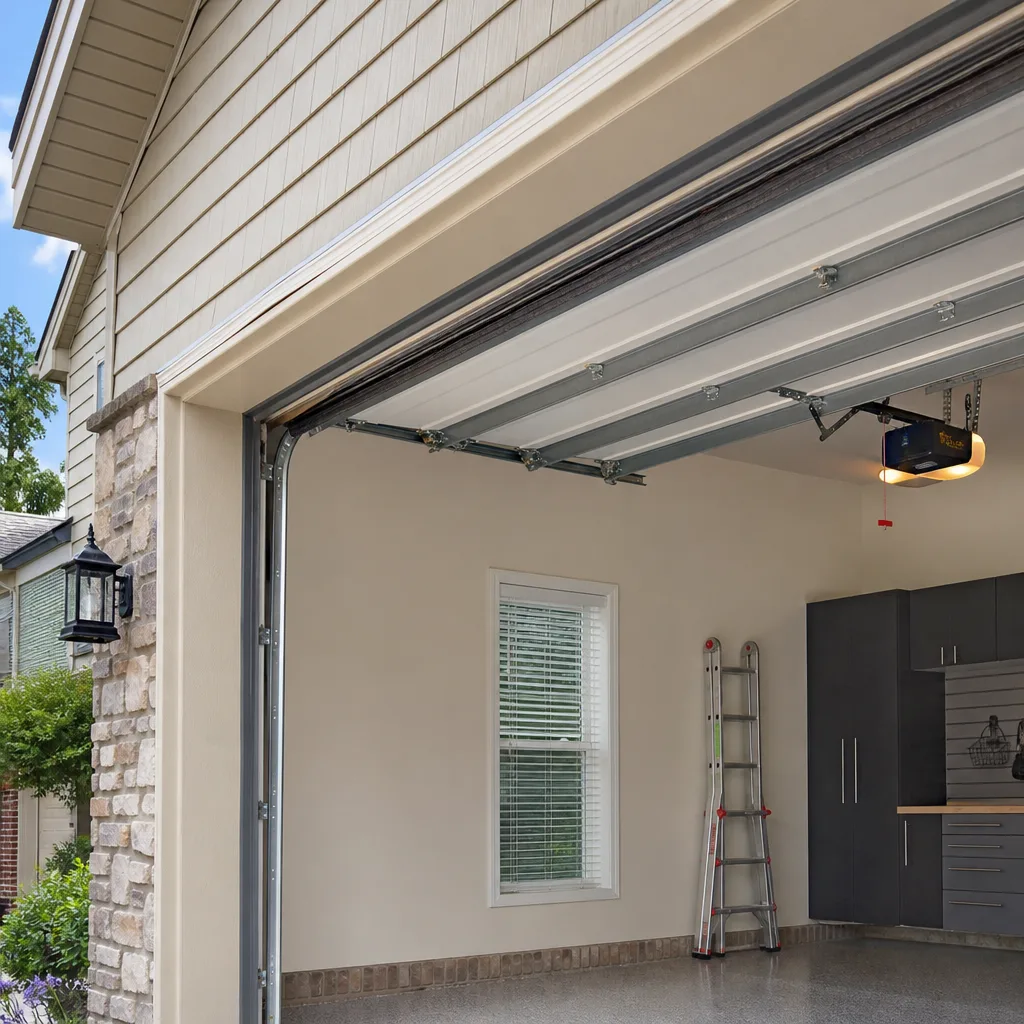
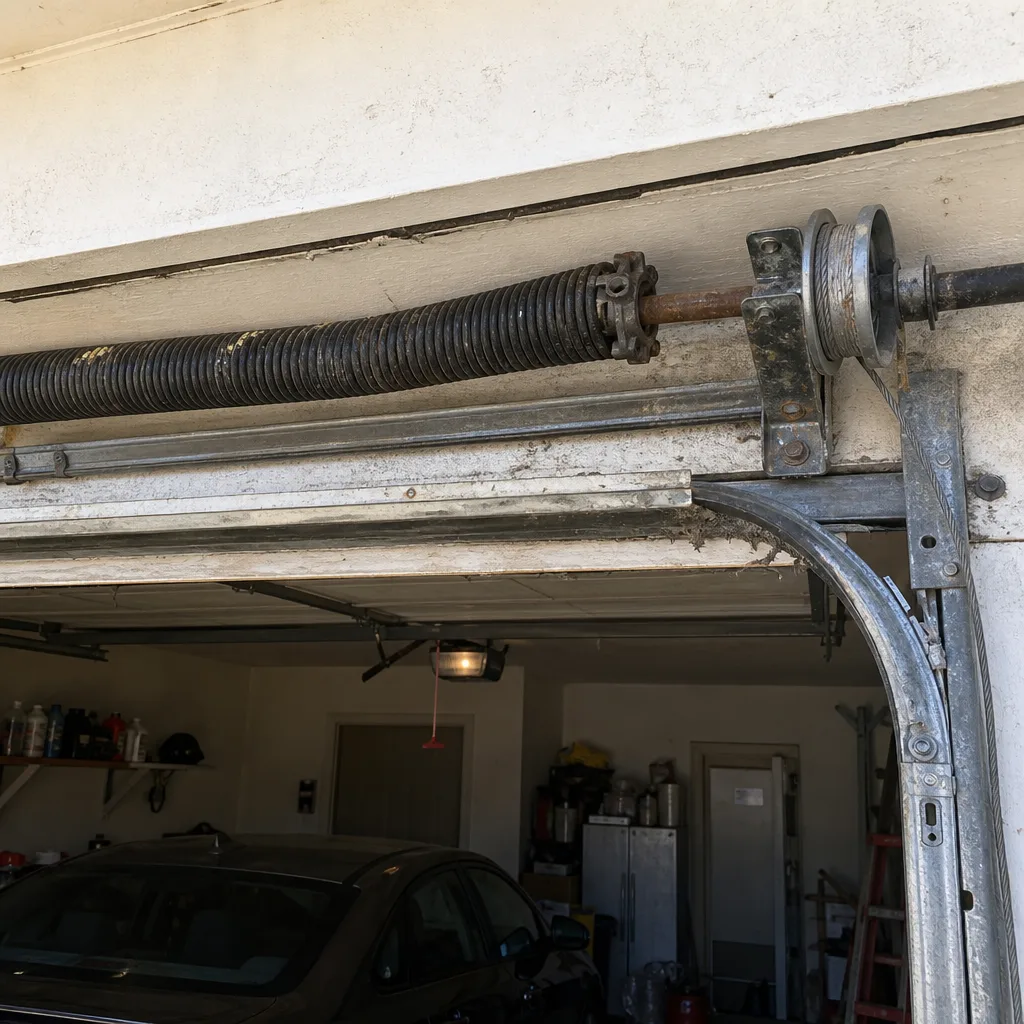 Before
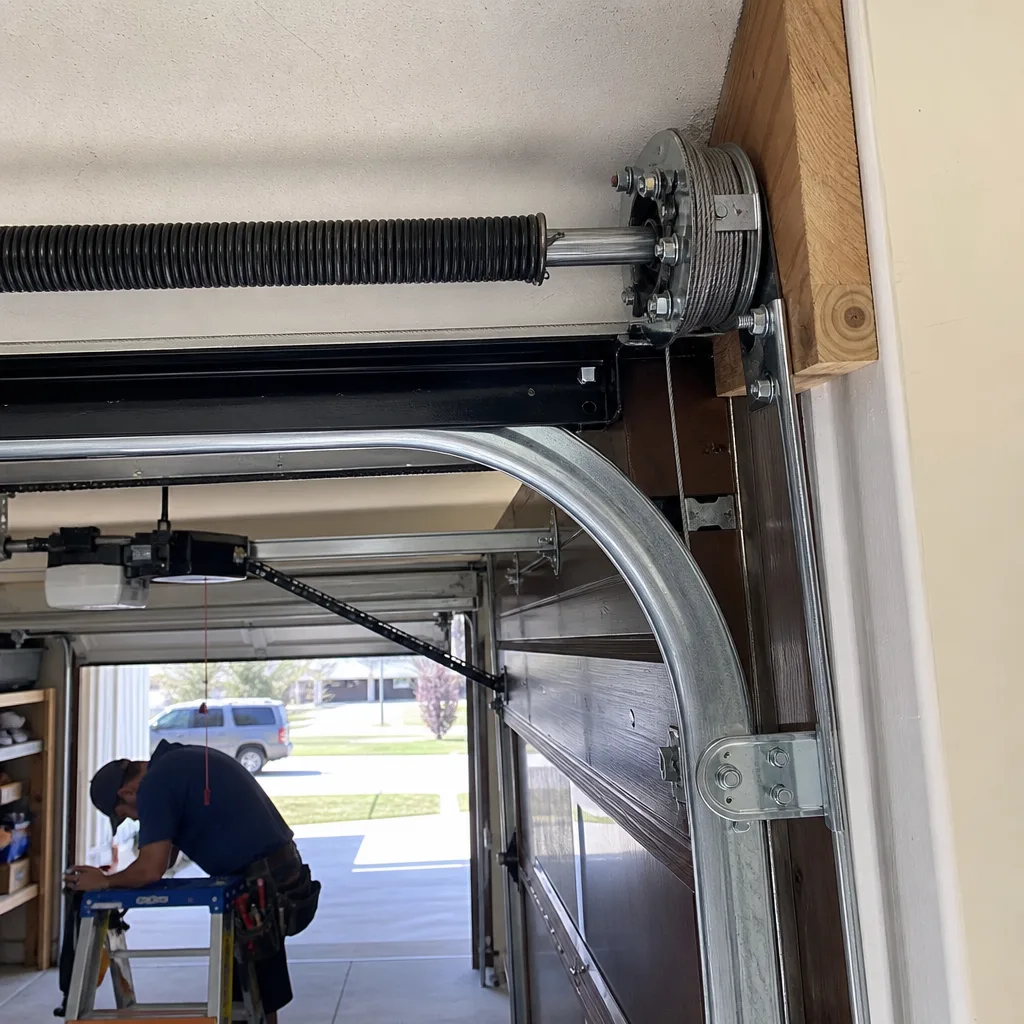 After
After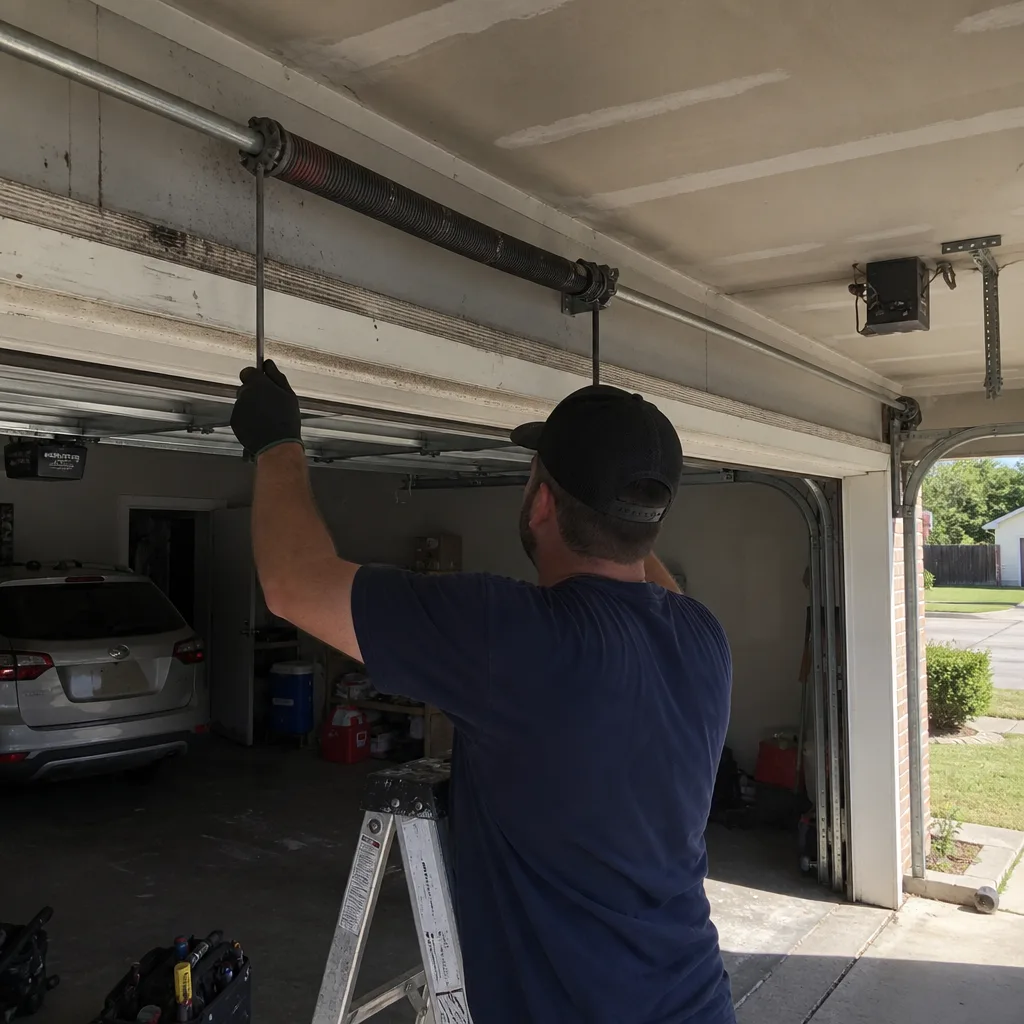 Before
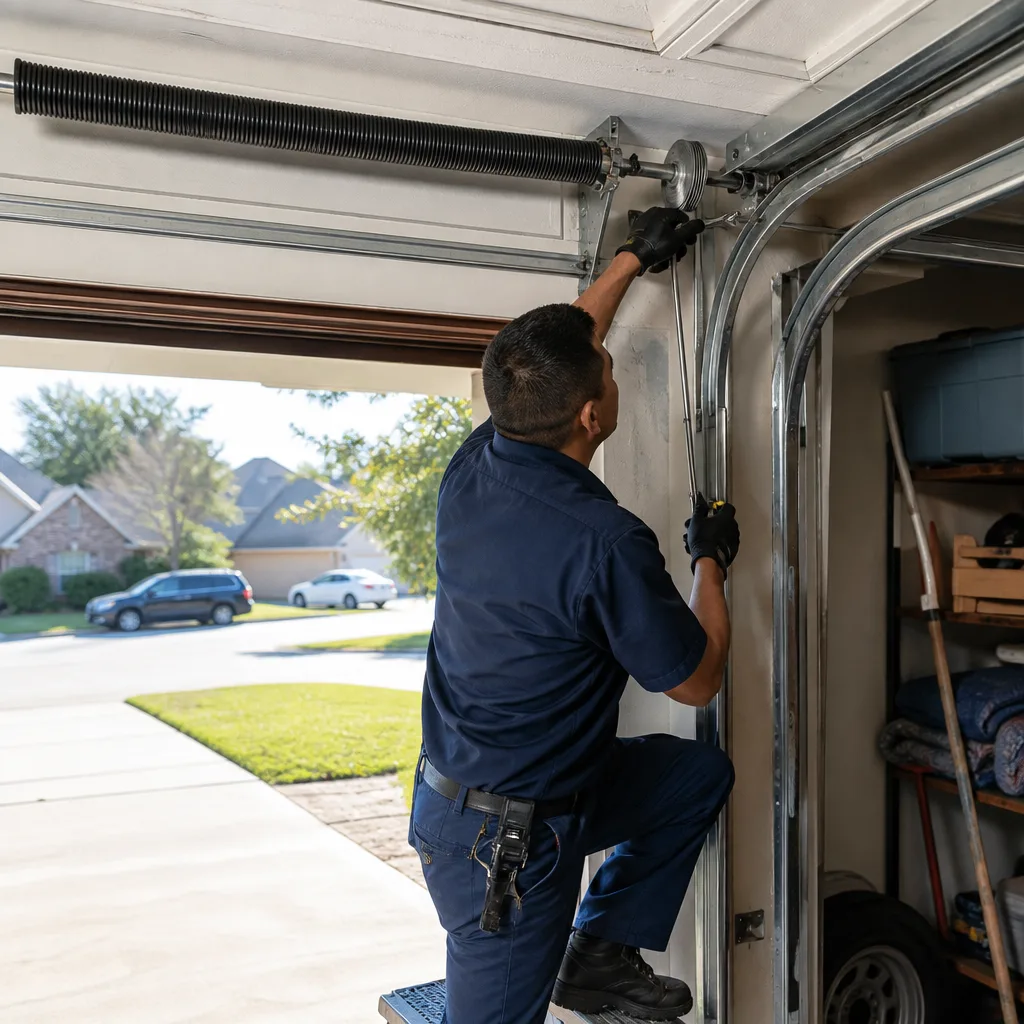 After
After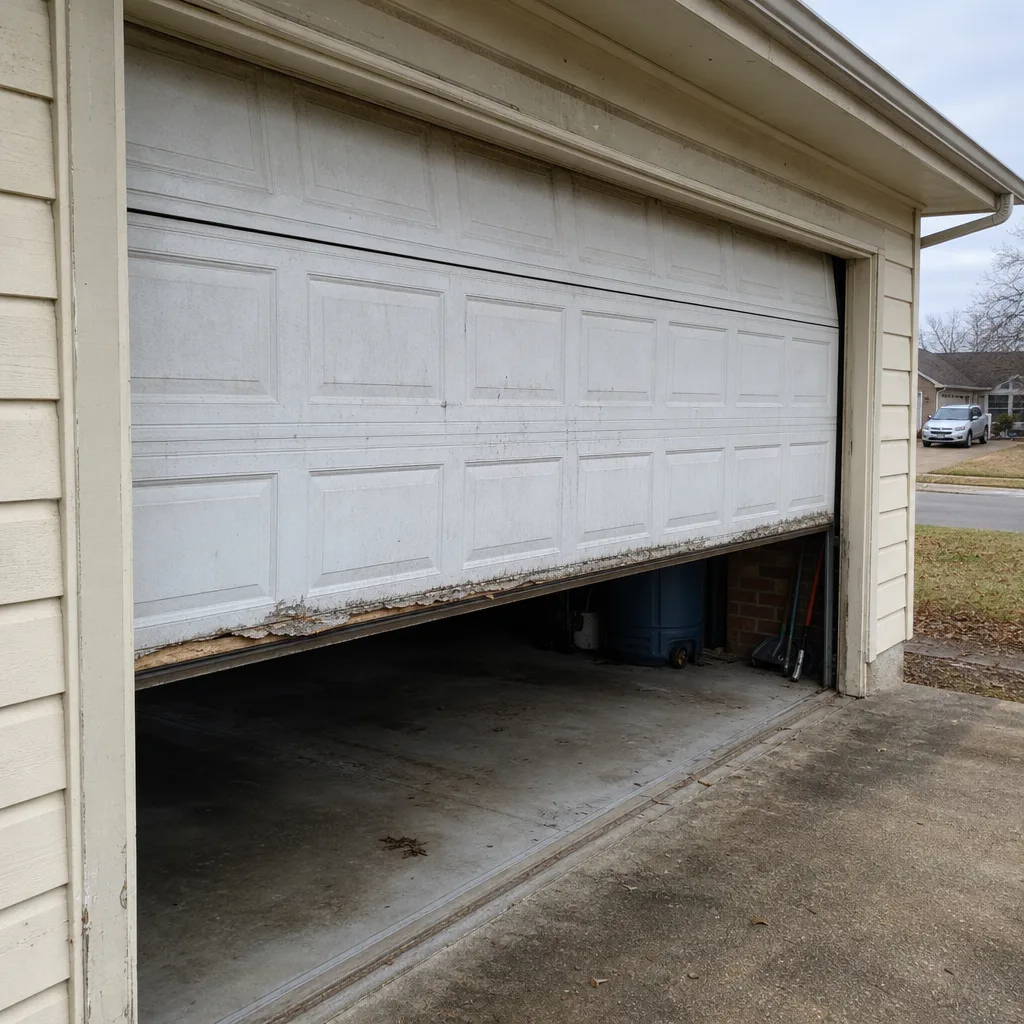 Before
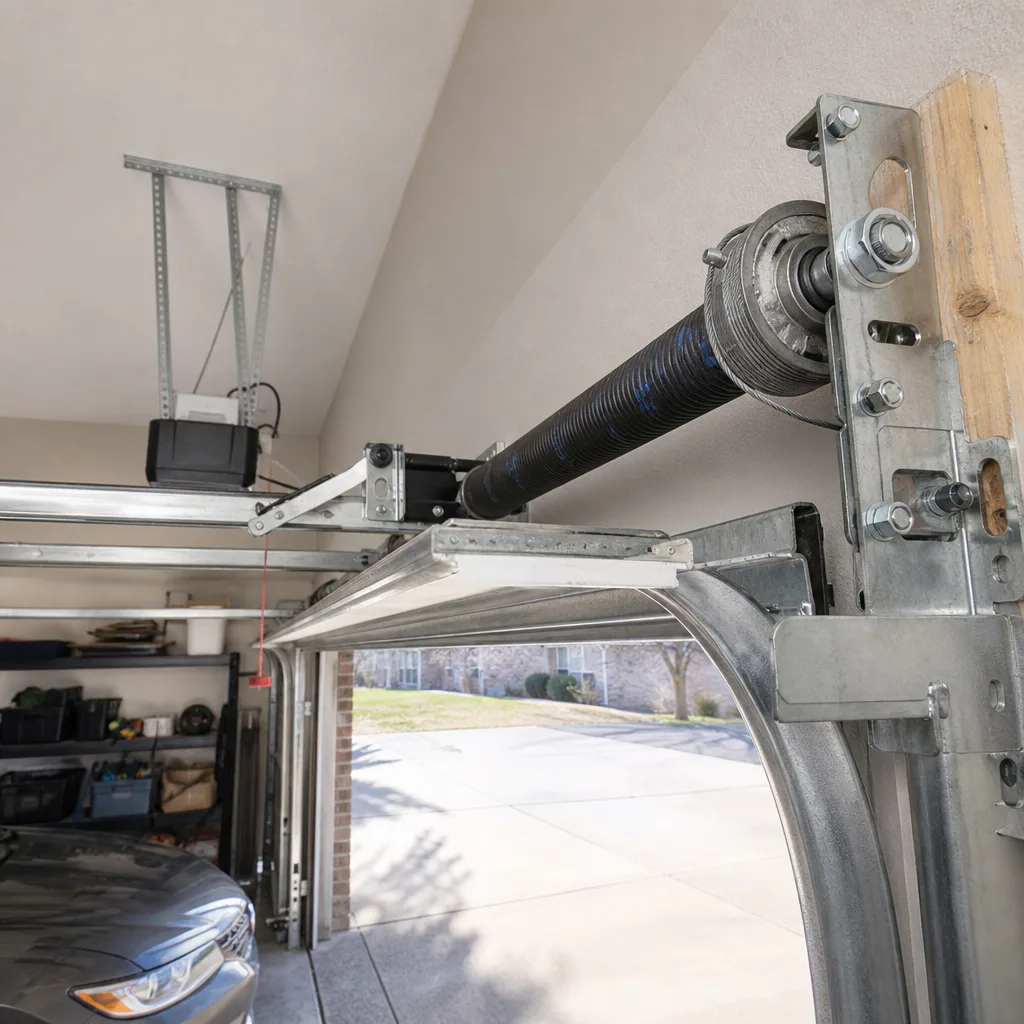 After
AfterGarage Door Permits, Codes & Inspections in TX: What You Need to Know
In Texas, garage door work sits in a regulatory gray zone: some jobs require a permit, some don’t, and the line is drawn differently depending on which jurisdiction your lot falls under - a detail that surprises homeowners at closing more often than contractors admit. We’ve been working in Benbrook since 2016, and we’ve seen sellers scramble to retroactively permit a door replacement they assumed was routine maintenance. This guide explains exactly where Tarrant County draws the permit line, how Benbrook’s municipal rules layer on top, what unpermitted work can do to your title, and how to fix it if you’re already in that spot - plus Garage Door Warning Signs: A Benbrook Homeowner’s Reference Guide for spotting trouble early.
Quick Answer
Most garage door repairs in Texas do not require a permit, but a full replacement - removing the existing door and installing a new one - typically does in Tarrant County and Benbrook. If the work alters the opening size, structural framing, or involves electrical changes to the opener circuit, a permit is almost always required. Unpermitted replacement work can surface during a title search and delay or derail a home sale.
Table of Contents
- Repair vs. Replacement: Where Tarrant County Draws the Line
- How Benbrook’s Municipal Code Layers Over County Rules
- HOA Restrictions in Benbrook Subdivisions
- What a Failed Inspection Looks Like on Your Title Record
- How to Request a Retroactive Permit
- Common Mistakes to Avoid
- When to Call a Professional
- Frequently Asked Questions
Repair vs. Replacement: Where Tarrant County Draws the Line
Tarrant County follows the Texas Administrative Code and the International Residential Code with local amendments. The critical distinction for homeowners is between repair and replacement - not because the terms are ambiguous, but because contractors sometimes blur them to avoid permit delays.
A repair preserves the existing door assembly. This includes:
- Spring replacement (torsion or extension)
- Cable reattachment or replacement
- Roller, hinge, or track repair
- Opener troubleshooting and motor replacement
- Panel replacement on a sectional door (provided the opening and frame remain unchanged)
None of these trigger a permit in Tarrant County. The door’s weight, wind load rating, and basic function stay the same. We’ve replaced hundreds of springs in Benbrook neighborhoods like Westpark and Holiday Hills - no permit, no inspection, no issue.
A replacement changes the door assembly itself. This triggers permitting when any of the following apply:
- The entire door is removed and a new one installed
- The rough opening dimensions change
- The header or jambs are modified or replaced
- The door’s wind load rating changes (relevant in Tarrant County’s storm-prone climate)
- Electrical work extends beyond a like-for-like opener swap - for example, adding a new outlet, running new Romex, or upgrading from 120V to 240V
The wind load point matters in our area. Tarrant County amended the IRC to require garage doors in certain zones to meet specific pressure ratings. Benbrook sits in a region where 90 mph wind speed design is standard, but some older doors installed before the 2000 code cycle don’t meet it. Replacing a pre-2000 door with a modern unit usually requires a permit to verify compliance, even if the opening stays the same size.
Here’s how the cost breaks down for permitted replacement work in Tarrant County:
| Item | Typical Range |
|---|---|
| Building permit (door replacement, same opening) | $85 - $150 |
| Building permit (opening modification or structural work) | $175 - $350 |
| Electrical permit (new circuit or outlet) | $50 - $125 |
| Inspection fee (often included in permit) | $0 - $75 |
| Plan review (required for structural changes) | $100 - $200 |
Contractors who quote replacement work without mentioning these fees are either absorbing them silently (rare) or planning to skip the permit entirely (common). We always discuss permit status before we write anything down. The flat price we state includes the door, the labor, and the permit cost - no surprises on the bill.
How Benbrook’s Municipal Code Layers Over County Rules
Benbrook operates under a municipal charter that adopts Tarrant County’s base code but adds its own amendments through the Benbrook Building Inspections Division. For garage door work, the interaction is straightforward most of the time - but there’s one circumstance where you need to check with both.
When Benbrook handles it alone: Single-family detached homes within Benbrook city limits, doing standard door replacement with no electrical changes. The city issues the building permit, schedules the inspection, and closes the permit.
When Tarrant County handles it: Properties in unincorporated Tarrant County pockets that have Benbrook mailing addresses but aren’t inside city limits. This includes some lots along Benbrook’s northern and western edges, particularly near the lake and along Winscott Road. We’ve arrived at jobs where the homeowner was certain they lived “in Benbrook” but their tax records showed county jurisdiction.
When you need both: Any project that involves electrical work beyond a plug-in opener swap. Benbrook’s building permit covers the door and structure. Tarrant County’s Precinct 2 or 4 handles the electrical permit. The inspections happen separately, and both must pass before either permit closes. This dual-permit scenario catches DIYers and some contractors off guard.
Benbrook’s specific amendments include:
- Setback verification for detached garage structures - if your garage sits close to the property line, a door replacement that changes the exterior appearance (adding windows, changing from flush to raised panel) may trigger a zoning review
- Floodplain considerations for lake-adjacent properties - any work on garages in the 100-year floodplain requires additional documentation
- Historic overlay district rules for the original Benbrook townsite near Mercedes Street and Winscott - alterations to visible exterior elements require design review
We’ve worked in the Mercedes Street area where a simple door color change required historic commission approval. The homeowner didn’t know until their neighbor mentioned it. We now ask about overlay districts before we quote any work in older Benbrook neighborhoods.
The practical path: call Benbrook Building Inspections at (817) 662-2212 with your address and a description of the work. They’ll tell you in two minutes whether they handle it or if County takes it. Save that name and confirmation number. If a contractor tells you “no permit needed,” you have a paper trail to verify.
HOA Restrictions in Benbrook Subdivisions
Municipal code and HOA covenants operate independently. You can pass every city inspection and still face a compliance demand from your association. In Benbrook’s newer subdivisions - Westpark, Pecan Valley Estates, parts of Holiday Hills - HOA architectural committees enforce rules that have nothing to do with safety and everything to do with neighborhood uniformity.
Common HOA restrictions we encounter:
- Color palettes: Many Benbrook HOAs limit garage doors to white, almond, sandstone, or a specific shade of brown. A homeowner in Pecan Valley Estates ordered a black door last year without checking; the board issued a compliance notice before the installation crew left the driveway.
- Window placement and style: Some covenants prohibit windows in the top section. Others require rectangular, not arched, window inserts. A few specify frosted or obscure glass for privacy.
- Material restrictions: Steel doors are standard, but some HOAs mandate wood or wood-composite in certain architectural styles. Others prohibit certain panel designs - no carriage-house styling in contemporary districts.
- Hardware requirements: Decorative handles and hinges must match a specified style, or are banned entirely on non-swinging doors.
The permit process doesn’t check any of this. A building inspector verifies structural and safety compliance. An HOA violation arrives six weeks later as a certified letter. We’ve seen homeowners pay for two door installations in twelve months because they skipped the architectural review step.
Our standard practice in Benbrook HOA neighborhoods: we ask for the covenant document before we finalize the door selection. Most HOAs respond within 10 business days. The delay costs less than a replacement replacement. If you’re unsure whether your neighborhood has an active association, the Tarrant County Appraisal District records often list the HOA name in the property details.
One Benbrook-specific note: the Westpark community association maintains particularly detailed guidelines, including approved vendor lists for certain exterior work. While they don’t mandate specific garage door brands, they do require that installations be performed by “licensed and insured contractors” - a standard we meet, but one that disqualifies handyman services and some discount operators.
What a Failed Inspection Looks Like on Your Title Record
This is the point most competitors won’t explain, because it implicates their own shortcuts. When a garage door replacement is done without a required permit, the work exists in a legal limbo that doesn’t matter until it matters - and then it matters enormously.
Here’s how unpermitted work surfaces:
- A buyer makes an offer. Their lender orders a title search and survey.
- The title company checks municipal permit records against visible improvements.
- A garage door installed in 2019 doesn’t match the 1987 permit record (or no permit exists for that address at all).
- The title insurer flags a potential encumbrance or requires an exception to coverage.
- The buyer’s attorney demands permit resolution before closing.
- Seller must now obtain a retroactive permit, often with penalties, or accept a sale price reduction.
The title record itself doesn’t say “failed inspection.” It shows an open permit, an expired permit, or a permit gap - a visible improvement with no corresponding approval. In Tarrant County’s digital records, this appears as a red flag in the Real Property Records search. Experienced closing attorneys in Benbrook and Fort Worth know to check this database specifically.
We’ve been called to three Benbrook homes in the past two years where unpermitted door replacement was holding up closing. In two cases, the work was done by previous owners; in one, the current owner had hired a contractor who “took care of everything.” None of the sellers had known there was a problem until the title search.
The financial impact varies. A retroactive permit with penalties might cost $300-$600. A price reduction demanded by a nervous buyer can run into the thousands. The worst case we’ve seen: a Benbrook homeowner had to delay closing for six weeks to get a structural engineer’s letter verifying that an unpermitted header modification was sound. The buyer nearly walked.
Title insurance doesn’t protect against this. Standard owner’s policies exclude unpermitted work known to the seller or visible on inspection. The garage door is visible. The permit gap is knowable. The exclusion applies.
Our position: we pull permits for every replacement job we do in Benbrook, even when the homeowner is “not planning to sell.” Plans change. Health changes. Markets shift. A door we install today should never be a problem for the person who owns the house in 2035.
How to Request a Retroactive Permit
If you’re reading this because you already have unpermitted work - whether you did it yourself, inherited it from a previous owner, or suspect a contractor skipped the process - there is a path forward. It’s not quick, and it’s not free, but it’s usually manageable.
Step 1: Determine the correct jurisdiction.
Call Benbrook Building Inspections with your address. If they have no record of your property, check Tarrant County. Jurisdiction determines the forms, the fees, and the inspection standards.
Step 2: Gather documentation.
You’ll need: the original installation date (approximate is acceptable), the door specifications (manufacturer, model, wind load rating, size), photos of the installed door and framing, and any contractor invoice or warranty. If you have none of this, we can inspect the door and generate a specification sheet.
Step 3: Submit a retroactive permit application.
This is a standard building permit application with a checked box for “work already completed.” Benbrook charges a base fee plus a penalty - typically 150% of the original permit cost. For a door replacement that should have cost $125, expect to pay around $190.
Step 4: Schedule the inspection.
The inspector will verify that the installation meets current code, not the code in force when the work was done. This is the catch. A door installed in 2015 under then-current standards might fail a 2024 inspection if the wind load requirements have increased. We’ve seen this in Benbrook with doors installed after the 2015 IRC wind speed map updates.
Step 5: Address any failures.
Common retroactive failures include: inadequate header size for the door span, missing or improper fasteners, opener electrical not on a dedicated circuit, and door wind load rating below current standards. Each failure requires correction and re-inspection.
Step 6: Close the permit.
Once passed, the permit record updates to “final approved.” The title cloud clears. This process typically takes 2-4 weeks in Benbrook if no failures occur, 6-10 weeks if corrections are needed.
When it’s not worth pursuing: If the door is more than 15 years old, nearing replacement age anyway, and has no structural issues, some homeowners choose to replace it properly rather than retroactively permit the old work. The new permit covers the new door, and the old gap becomes irrelevant. We quote both paths when asked, with the flat price stated before any work begins.
Common Mistakes to Avoid
- Assuming repair and replacement are the same for permitting. Tarrant County treats them differently, and calling a replacement a “repair” on a permit application is misrepresentation that can void your approval.
- Trusting a contractor who says “we never pull permits for doors.” This is common among unlicensed operators and some handyman services. It saves them time and shifts all liability to you.
- Ignoring the electrical component. Upgrading from a standard opener to a LiftMaster wall-mount unit or adding battery backup often requires new wiring. The door permit doesn’t cover this; a separate electrical permit does.
- Skipping HOA review in Benbrook subdivisions. We’ve seen compliant, permitted installations torn out because the color wasn’t on the approved palette. The permit doesn’t protect you from covenant enforcement.
- Failing to verify jurisdiction. That “Benbrook” mailing address doesn’t always mean Benbrook city limits. Check your tax statement or call the city before applying.
- Throwing away contractor documentation. Keep invoices, permits, and inspection approvals for as long as you own the home. They’re your proof if a title issue arises.
- Assuming a home inspection covers code compliance. Buyer’s inspectors look for function and safety, not permit status. A door can operate perfectly and still be unpermitted.
When to Call a Professional
Call a licensed garage door contractor - see our How to Hire a Garage Door Contractor in Benbrook: A Step-by-Step Guide - when you’re replacing any door, modifying an opening, or dealing with electrical changes to the opener circuit. The permit research, application, and inspection scheduling are part of the job - or should be. If a quote seems to omit these steps, ask directly. A square deal includes honesty about what’s required.
We’re also the right call when you’ve discovered unpermitted work and need a path forward. We can inspect the installation, document its specifications, identify any code gaps, and quote the correction work if needed. Our Garage Door Repair in Benbrook and Garage Door Installation in Benbrook pages detail our full service range.
If your opener needs service alongside door work, our Garage Door Opener in Benbrook page covers troubleshooting, replacement, and smart opener upgrades. We factory-train on LiftMaster, Chamberlain, Genie, and Raynor systems.
Mainspring Garage Door Co. offers free estimates in Benbrook - call (817) 662-2212. We’ll look at your situation, tell you what permits apply, and state a flat price before any work begins.
Frequently Asked Questions
Yes, a full door replacement in Benbrook typically requires a building permit through the city’s Building Inspections Division. If the work includes new electrical circuits for the opener, you’ll also need a separate electrical permit from Tarrant County. Call (817) 662-2212 with your address to confirm jurisdiction and requirements.
A standard replacement permit runs $85-$150 in most Tarrant County jurisdictions, with Benbrook at the lower end of that range. Electrical permits add $50-$125. Retroactive permits cost roughly 150% of the original fee. Call us at (817) 662-2212 for an exact quote on your specific project - estimates are free.
No. We state the flat price before any work begins, and that price includes the permit, the door, the labor, and the inspection. If we discover unexpected structural issues during installation, we stop and discuss options before proceeding. No surprises on the bill.
You can list it, but you may not close smoothly. Title insurers and buyer attorneys increasingly flag unpermitted structural improvements. The delay can cost more than the retroactive permit would have. If you’re unsure about your door’s permit status, Benbrook Building Inspections can check their records by address.
Most do. Westpark, Pecan Valley Estates, and Holiday Hills all have architectural review processes for exterior changes. The approval is separate from city permitting and must be obtained before installation begins. Check your declaration of covenants or contact your property management company.
Once permits are approved, most installations are completed in a single visit - typically 3-5 hours for a standard residential door. The permit itself takes 3-10 business days in Benbrook, depending on workload. We handle the application and scheduling as part of our service.
The Bottom Line
Texas garage door permitting isn’t complicated, but it is specific. Tarrant County requires permits for replacement, not repair. Benbrook adds municipal amendments that matter for lake-adjacent and historic properties. HOAs operate on their own rules entirely. The cost of getting it right - a few hundred dollars and a week of planning - is trivial against the cost of a delayed sale, a retroactive penalty, or a torn-out door. We pull permits on every replacement we do, document everything in writing, and stand behind the work with our 90-Day Done Right Promise. That’s the square deal we’ve offered in Benbrook since 2016.
Written by Carl Dutton, Owner at Mainspring Garage Door Co., serving Benbrook since 2016.