
Last updated September 10, 2026
Full 25-point door and opener safety check with every visit - springs, cables, rollers, tracks, and your LiftMaster or Chamberlain opener included
You get a price before we start. It does not change when the truck arrives.
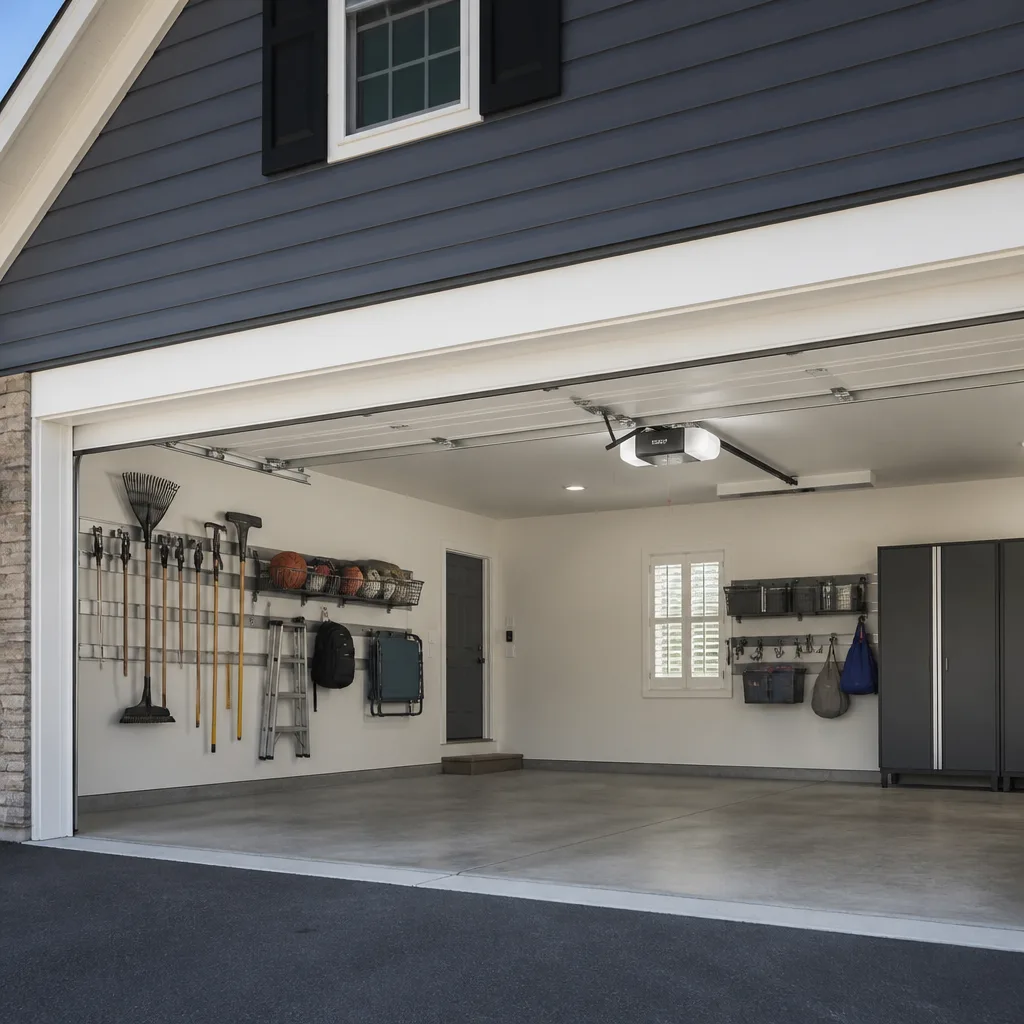
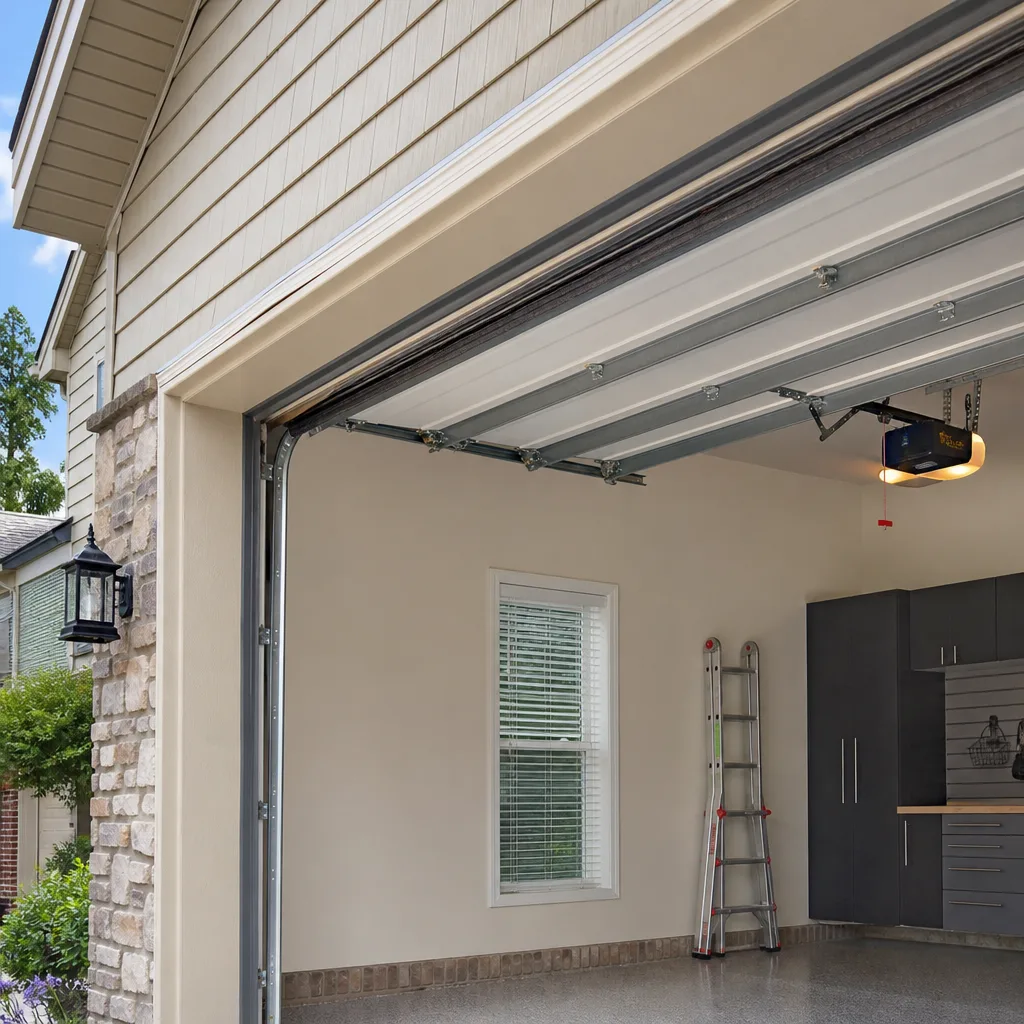
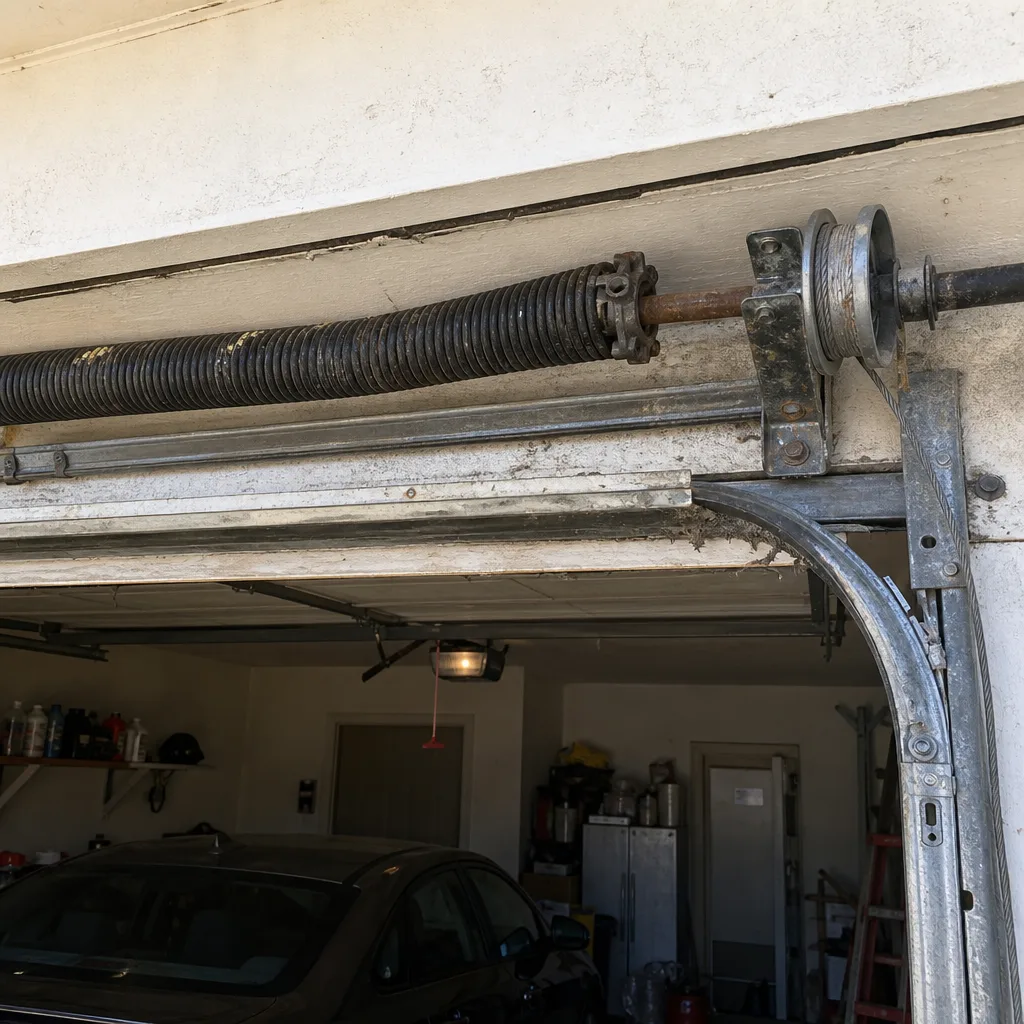 Before
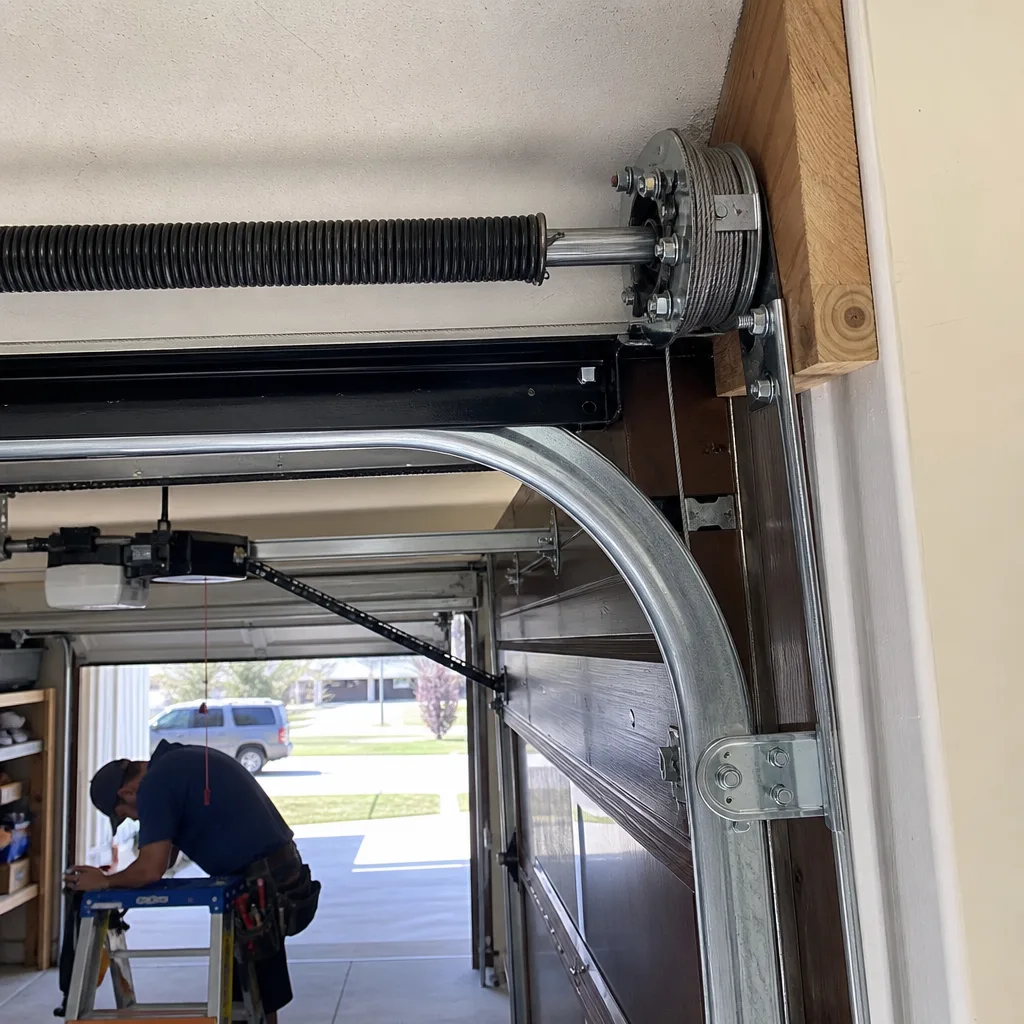 After
After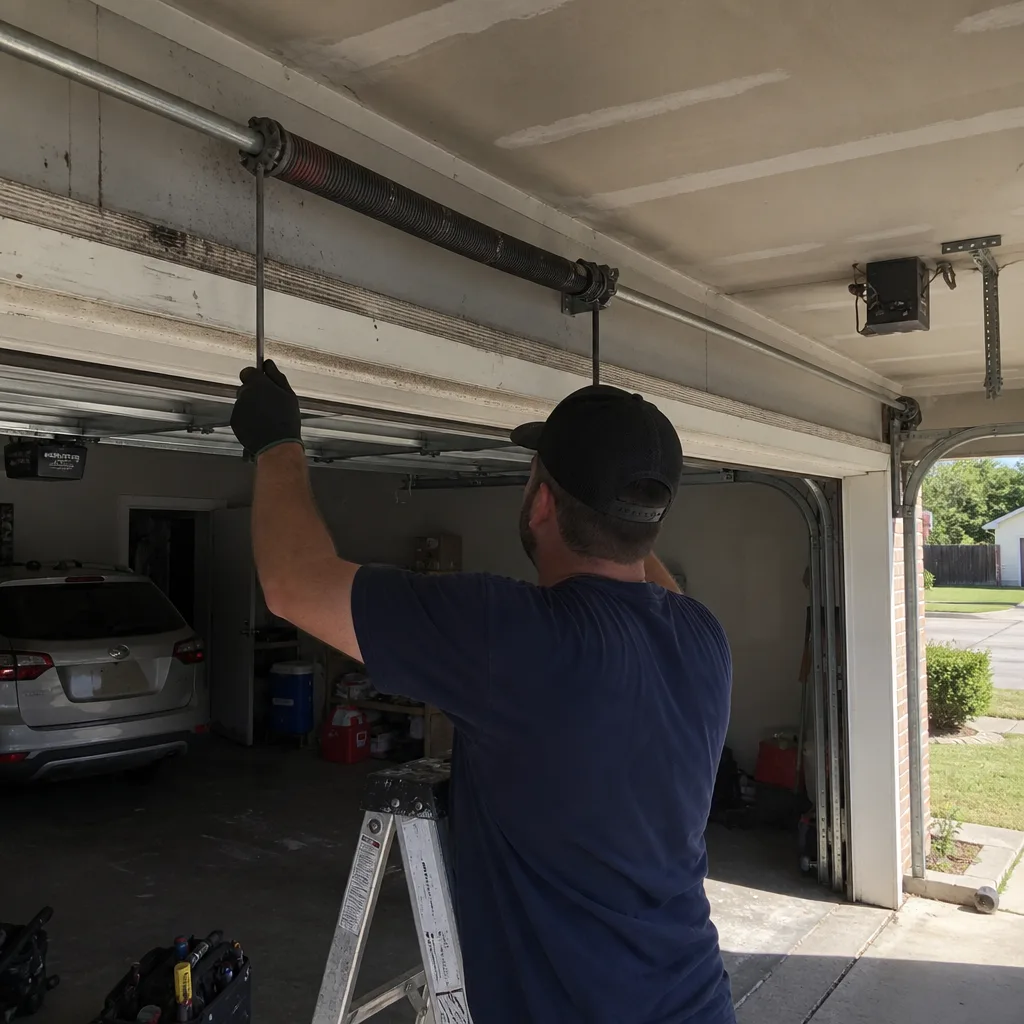 Before
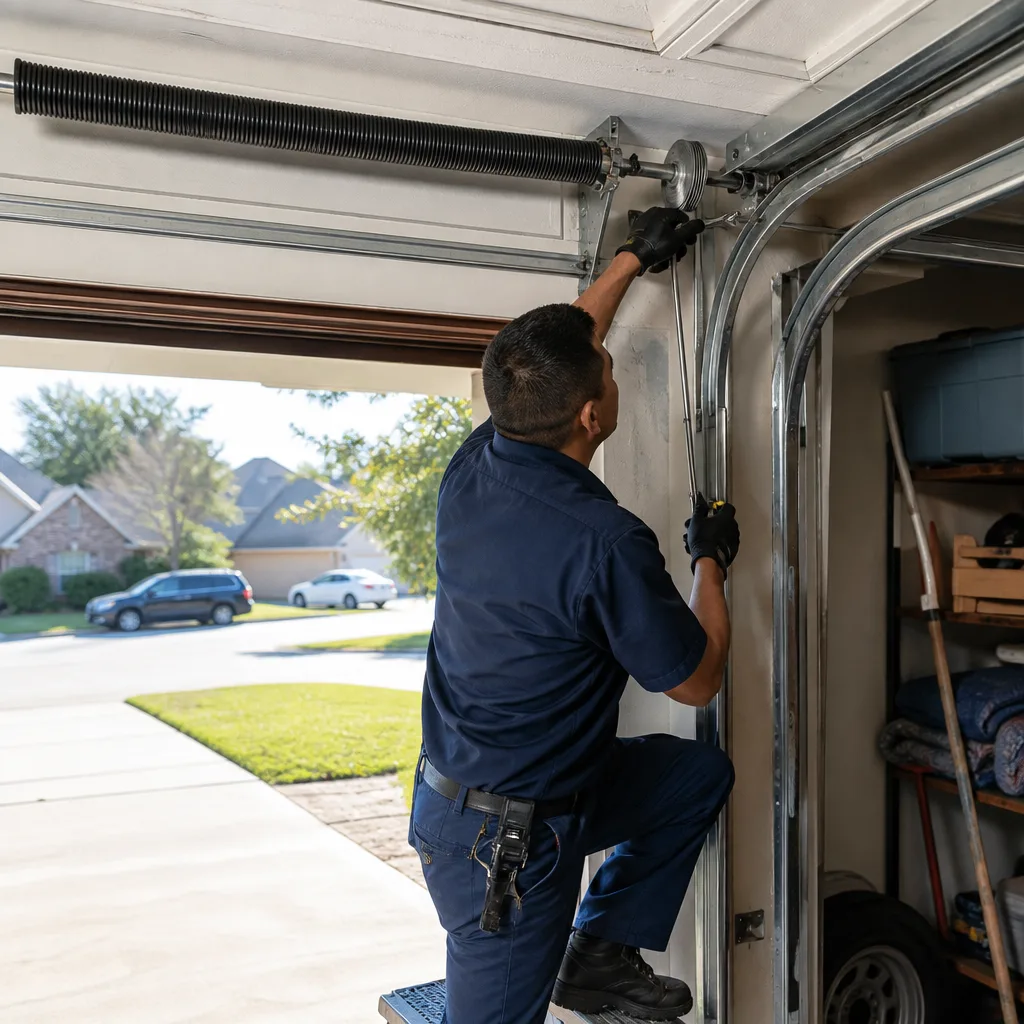 After
After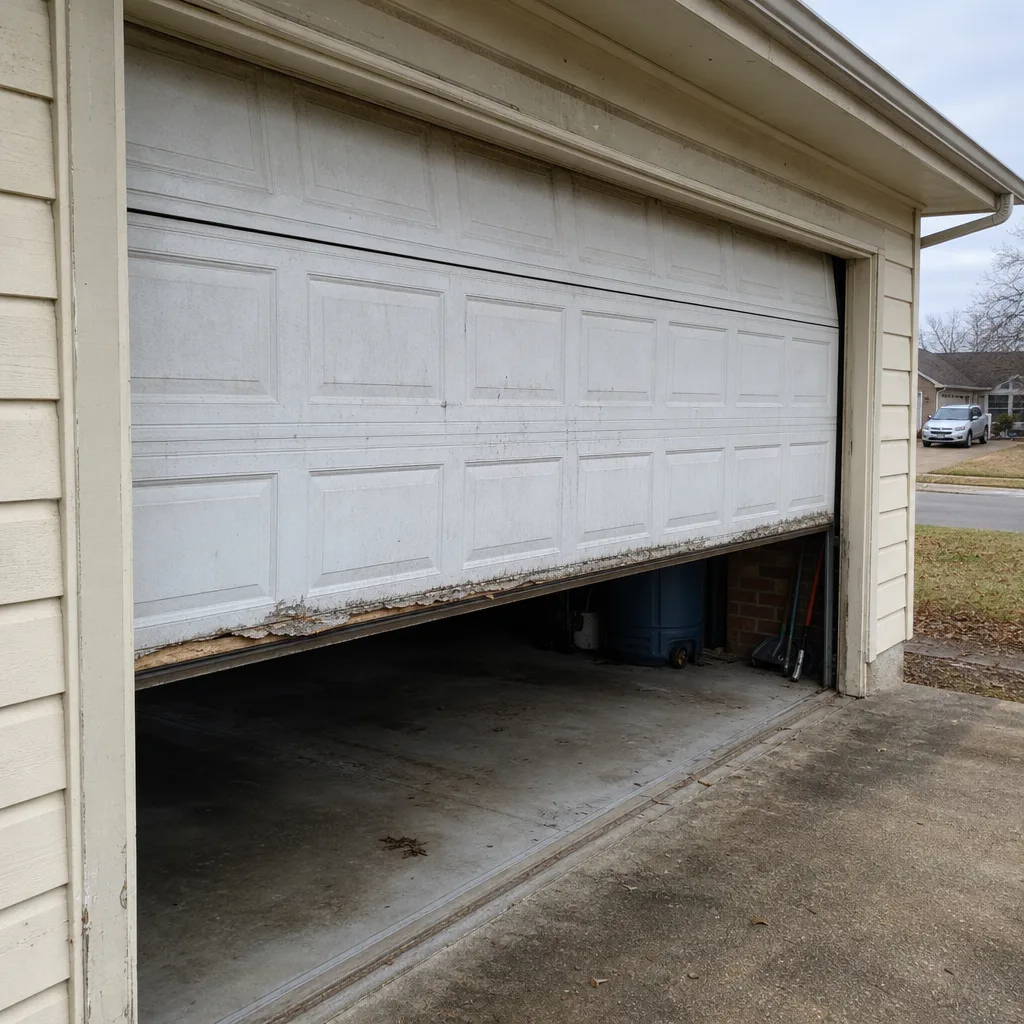 Before
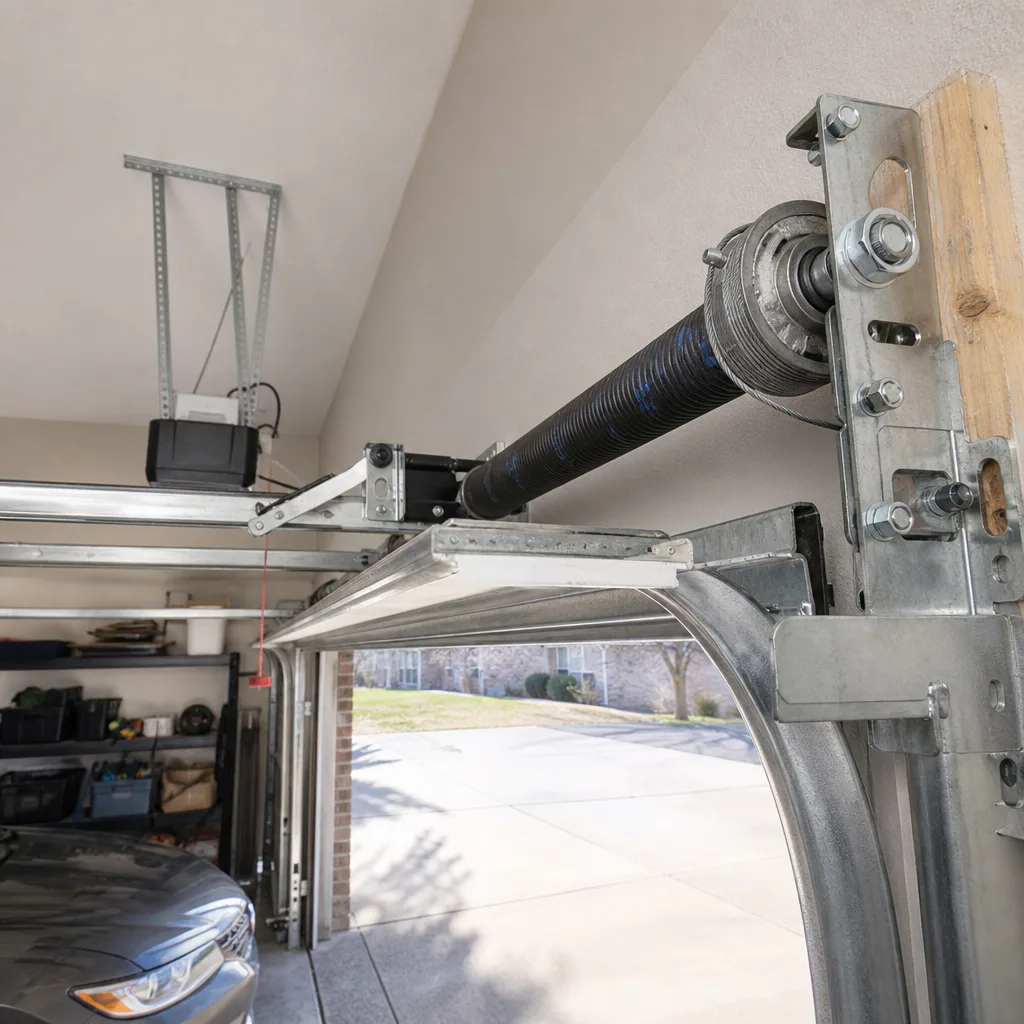 After
AfterGarage Door Repair Maintenance Checklist for Benbrook Homeowners
Of the repair calls we run in Benbrook, a surprising number are return trips to homes that had a “tune-up” within the last year. The previous checklist looked thorough on paper, but it missed the parts that actually fail in this climate. Benbrook’s combination of summer heat that tops 100 degrees, sudden temperature swings in fall, and limestone dust from the surrounding hills creates wear patterns that generic checklists don’t account for. This guide gives you a short, honest checklist you can complete in under twenty minutes, built around the six failure points that send our Garage Door Repair technicians back to the same address twice.
Quick Answer
A proper garage door maintenance checklist for Benbrook homeowners includes six checks every spring and fall: testing spring balance with a manual lift, inspecting cables for fraying from ground level, lubricating only steel rollers and hinges (never nylon), checking weather seal for heat hardening, tightening hardware after temperature swings, and testing auto-reverse safety systems. Most homeowners can complete this in 15-20 minutes with no tools beyond a stepladder and a rag; for more guides & resources, see our blog.
Table of Contents
- The Manual Lift Test: Checking Spring Balance Without Touching the Spring
- The Two-Minute Cable Fraying Inspection
- Lubrication: Which Parts Need It and Which Don’t
- Weather Seal and Benbrook’s Summer Heat
- Hardware Tightening After Temperature Swings
- Testing Auto-Reverse and Photo-Eye Safety Systems
- A Simple Calendar Cadence for Benbrook Homes
- Common Mistakes to Avoid
- When to Call a Professional
- Frequently Asked Questions
- The Bottom Line
The Manual Lift Test: Checking Spring Balance Without Touching the Spring
Garage door springs carry the full weight of your door, and when they weaken, the opener strains, cables slip, and the door can come down too fast. But springs are under extreme tension, and a broken spring can cause serious injury. We never recommend homeowners touch, adjust, or attempt to repair springs themselves.
There is a safe way to check spring condition without going near the spring assembly. We call it the manual lift test, and it tells you most of what you need to know.
How to Perform the Manual Lift Test
- Close the door fully and disconnect the opener by pulling the red emergency release cord. The door should be in the down position.
- Stand facing the door, feet shoulder-width apart, and grasp the handle or bottom edge with both hands.
- Lift smoothly. A properly balanced door should rise with moderate effort, feel light through the middle of its travel, and stay put when you release it at waist height.
- Lower the door back down by hand. It should descend in a controlled manner, not drop.
What the results mean:
- Door feels heavy or won’t stay at waist height: Spring tension is weakening. The opener is working overtime, and failure is likely within months. This is the most common finding we see in Benbrook homes between years 8 and 12 of a spring’s life.
- Door rises too easily or shoots up: Springs are over-tensioned. This stresses cables and hardware.
- Door drifts down from waist height: Springs have lost tension and need replacement.
- Door feels balanced and stays put: Springs are in good working condition.
In Benbrook, we see spring fatigue accelerate in homes with south-facing garage doors that absorb afternoon sun. The metal cycles through more thermal expansion and contraction, and we’ve found springs in these exposures often fail 12-18 months earlier than shaded installations. If your garage faces south or west and gets direct sun, perform this test quarterly rather than twice yearly-one of the key Garage Door Warning Signs: A Benbrook Homeowner’s Reference Guide topics.
When springs fail, the repair requires specialized tools and training. Garage door repair in Benbrook from a qualified technician includes proper spring sizing and safe installation. At Mainspring Garage Door Co., our trucks carry a full inventory of spring sizes, so most spring replacements are completed in a single visit.
The Two-Minute Cable Fraying Inspection
Cable failure is the second most common reason we return to Benbrook addresses for repeat service. A frayed cable doesn’t always look dramatic until it snaps, and when it goes, the door can drop unevenly or jam completely.
The good news: you can spot trouble early with a simple visual inspection from ground level. No tools needed. No need to touch anything under tension.
What to Look For
- Stand inside the garage with the door closed and the opener disconnected.
- Look at the cables running vertically along each side of the door, from the bottom bracket up to the drum near the spring assembly.
- Check for any visible fraying, rust spots, or broken strands. A healthy cable has tight, uniform winding with no loose wires protruding.
- Look for cable “necking” - a narrowed section where the cable has been stressed or pinched.
- Check that both cables sit properly in their drums and haven’t slipped out of groove.
Benbrook’s limestone dust is harder on cables than many homeowners realize. The fine grit works into the cable strands and accelerates internal wear. We’ve replaced cables in Benbrook’s Stonegate and Westpark neighborhoods that looked acceptable externally but were significantly degraded inside from dust infiltration.
If you see any fraying, rust, or strand separation, stop using the door and call for service. A failing cable under load can whip with dangerous force. We carry replacement cables for all major door sizes on our trucks, and most cable replacements in Benbrook are completed in under an hour.
Lubrication: Which Parts Need It and Which Don’t
This is where most generic checklists steer homeowners wrong. The standard advice, “lubricate all moving parts,” sounds sensible but can actually accelerate wear on modern components.
Here’s what we’ve learned from 42 years in this trade: the type of roller matters more than most homeowners know, and lubricating the wrong one turns a maintenance task into a damage task.
Parts That Need Lubrication
- Steel rollers: Apply a thin film of silicone-based garage door lubricant to the roller bearings. Wipe excess. Do not use WD-40, which is a solvent, not a lubricant, and attracts dust.
- Hinges: Light application at pivot points. Open and close the door manually to work it in.
- Spring assembly: A light coating on the torsion spring reduces coil friction. Stay well clear of the winding cones and hardware.
- Lock mechanism: If your door has a manual lock, a small amount of lubricant prevents seizing.
Parts That Do NOT Need Lubrication
- Nylon rollers: These are self-lubricating. Adding any lubricant attracts dust and grit, which embeds in the nylon and accelerates bearing wear. We’ve replaced nylon rollers in Benbrook that failed prematurely because a well-meaning homeowner oiled them annually. If your rollers are white, off-white, or black nylon, leave them alone.
- The track: The rollers are meant to roll, not slide. Lubricating the track causes accumulation of debris and can make the door slip in the guides.
- Bottom seal: Lubricant degrades rubber and vinyl compounds.
How to tell steel from nylon: steel rollers are metallic, often with visible ball bearings, and may show rust. Nylon rollers are plastic-composite, quieter in operation, and common on doors installed after 2000. If you’re uncertain, check with a flashlight or call us to identify them during a tune-up.
Our Mainspring Garage Door Co. home page lists current service offers, including our $89 Seasonal Tune-Up where a technician handles proper lubrication and identifies roller type for future reference.
Weather Seal and Benbrook’s Summer Heat
The rubber or vinyl seal at the bottom of your door, and the vinyl trim on the sides and top, do more than keep out rain. They block dust, pests, and the temperature extremes that raise your utility bills. But Benbrook’s climate is harder on these materials than national replacement schedules suggest.
Standard manufacturer guidance often recommends inspecting weather seal every two to three years. In Benbrook, we find that summer heat topping 100 degrees for weeks at a time hardens and cracks vinyl and rubber compounds faster. A seal that looked fine in April can be brittle and gaping by September.
What to Check
- Close the door and look at the bottom seal from inside the garage. Light leaking through indicates gaps.
- Run your hand along the seal. It should feel flexible and slightly compressible. If it’s rigid, cracked, or crumbling, replacement is due.
- Check side and top vinyl trim for shrinkage, tearing, or pulling away from the frame.
- After rain, look for water intrusion along the door perimeter. Even small gaps admit significant moisture.
Benbrook’s position on the edge of the Cross Timbers means more wind exposure than some Fort Worth suburbs. We’ve seen wind-driven rain push past deteriorated seals in the Bellaire Park and Holiday Hills areas, causing minor flooding in garages with floor-level thresholds.
Weather seal replacement is straightforward and inexpensive compared to the damage it prevents. We stock common seal profiles and can match most door brands, including Clopay and Amarr models common in Benbrook subdivisions built in the 1990s and 2000s.
Hardware Tightening After Temperature Swings
Garage doors vibrate through thousands of cycles per year. Hardware loosens gradually, and the temperature swings of a Benbrook fall or spring, where a 40-degree day can follow an 80-degree afternoon, accelerate the process through thermal expansion and contraction.
A loose hinge bolt or roller bracket doesn’t announce itself. It quietly allows misalignment that wears tracks, strains the opener, and eventually causes the door to bind or jump its rails.
The Hardware Check
- With the door closed and opener disconnected, visually inspect all visible bolts and screws on hinges, roller brackets, and the opener arm attachment.
- Using a socket wrench (typically 7/16″ or 1/2″ for most residential hardware), test key fasteners by attempting to tighten them. Do not overtighten; snug is sufficient.
- Pay particular attention to the top roller bracket, which carries the most stress during opening.
- Check the opener mounting bracket where it attaches to the door and the header above.
- Look for any hardware that has backed out completely or is missing.
We find loose hardware most often in Benbrook homes with attached garages where the opener’s vibration transmits into the house framing. The constant subtle shaking works fasteners loose faster than in detached structures. Homes near Benbrook’s more exposed ridges, such as those along Winscott Road or toward the western edge toward Aledo, also see more wind-induced vibration.
Never remove or adjust fasteners on the spring assembly, cable drums, or bottom brackets. These components are under tension and require specialized knowledge. If hardware in these areas appears loose or damaged, that’s a call for professional service.
Testing Auto-Reverse and Photo-Eye Safety Systems
Federal law has required automatic reverse on garage door openers since 1993, and photo-eye sensors since 1993. These systems prevent entrapment and injury, but they can fail silently if not tested regularly.
We’ve responded to Benbrook calls where a door damaged a vehicle or injured a pet because the safety reverse had failed months earlier and the homeowner never tested it.
The Three Safety Tests
- Force setting test: Place a 2×4 board flat on the floor centered under the door path. Close the door using the opener. It should reverse within two seconds of contacting the board. If it does not, the force setting needs adjustment.
- Photo-eye test: Start the door closing, then wave a broom handle through the beam between the two sensors (mounted 4-6 inches above the floor on each side). The door should reverse immediately. Test both sides of the beam path.
- Photo-eye alignment check: Look at the LED indicators on each sensor. Most models show a steady light when aligned and a blinking or off light when misaligned. Clean lenses with a soft cloth; dust and spider webs are common causes of false obstruction signals in Benbrook garages.
Photo-eye misalignment is particularly common after spring and fall in Benbrook, when temperature swings cause subtle shifting in garage door frames. We’ve also found that direct afternoon sun into west-facing garages can blind infrared sensors, causing intermittent failure. If your door reverses randomly on sunny afternoons, sensor shielding or repositioning may solve it.
These safety systems are not optional conveniences. A failed auto-reverse creates genuine liability. If any test fails, discontinue automatic operation and call for service. We are factory-familiar with Chamberlain, Genie, and other major opener brands, and we stock replacement sensors and logic boards for most models.
For opener-related concerns, see our garage door opener in Benbrook service page.
A Simple Calendar Cadence for Benbrook Homes
The checklist above covers what to check. This section covers when, tuned to Benbrook’s actual climate patterns rather than generic quarterly advice.
April: Pre-Summer Inspection
Check weather seal flexibility before heat hardening begins. Perform the manual lift test, as spring fatigue often shows up after winter’s temperature cycles. Test safety systems. Clear photo-eye lenses of pollen accumulation, which is heavy in the Cross Timbers region. Lubricate steel rollers and hinges if needed.
October: Pre-Swing Inspection
Tighten hardware after summer’s expansion and before fall’s temperature swings begin. Inspect cables for fraying; summer dust and heat stress show their effects by autumn. Check weather seal again; if it hardened over summer, replacement before winter prevents drafts and pest entry. Test safety systems.
Monthly: Quick Visual
A 30-second look as you leave for work: door hangs level, no visible cable issues, no unusual noises. Anything odd, schedule service.
This cadence takes under an hour per year and catches most problems before they become emergency calls. The homeowners we see least often for major repairs are the ones who follow something close to this schedule.
If you’re considering a new door, our garage door installation in Benbrook page covers options and what to expect.
Common Mistakes to Avoid
- Lubricating nylon rollers: As covered above, this is the most common well-intentioned error. It turns quiet, long-lasting rollers into dust magnets that fail early. We’ve replaced dozens of sets in Benbrook that were ruined this way.
- Ignoring a heavy door: If the manual lift test feels harder than it used to, homeowners often compensate by using the opener more. This burns out the opener motor and turns a spring replacement into a spring-plus-opener replacement. The heavier the door feels, the sooner you should call.
- Using the wrong lubricant: WD-40, motor oil, and grease all attract dust and gum up in heat. Use only silicone-based garage door lubricant. We carry it on our trucks and can leave a can with you.
- Skipping the safety tests: Many homeowners check everything mechanical but never test auto-reverse. A door that closes too hard is a hazard to children, pets, and property.
- Attempting spring or cable repair: These components are under lethal tension. Every year, homeowners are seriously injured by broken springs or released cables. The money saved is not worth the risk. We quote spring and cable work upfront with no obligation.
- Waiting for total failure: A door that makes grinding noises, shakes during operation, or reverses intermittently is telling you something. Small problems become expensive problems. In Benbrook’s competitive housing market, a malfunctioning garage door also affects curb appeal and resale.
When to Call a Professional
Some maintenance is homeowner work. Some is not. Call a qualified technician when you find spring imbalance, cable fraying, safety system failure, or any hardware issue on the spring assembly or bottom brackets. Not sure who to trust? Read our How to Hire a Garage Door Contractor in Benbrook: A Step-by-Step Guide. Call also when the door makes new noises, operates unevenly, or has been damaged by impact.
At Mainspring Garage Door Co., we’ve served the Benbrook area since 2016, and our company roots go back to 1984. We answer the phone with a live person 24 hours a day, including weekends and holidays. Our technicians arrive in uniform with background checks completed, and our trucks carry the parts to finish most jobs in one visit. Every repair is covered by our 90-Day Done Right Promise: if it’s not right, we come back at no charge, no paperwork, no argument.
We offer free estimates in Benbrook. Call (817) 662-2212 to schedule, or to ask questions about anything in this checklist.
Frequently Asked Questions
Our seasonal tune-up is $89 and includes spring balance testing, cable inspection, proper lubrication of appropriate components, hardware tightening, safety system testing, and weather seal evaluation. We also offer $50 off any repair over $250, a free second opinion on any written estimate, and a permanent 5% discount for seniors and veterans. Call (817) 662-2212 to schedule.
No. Garage door springs are under extreme tension and can cause serious injury or death if handled improperly. The manual lift test described in this guide lets you check spring condition safely from ground level, but adjustment and replacement require specialized tools and training. We quote spring work upfront with no surprises on the bill.
We recommend the full checklist twice yearly: April before summer heat, and October before temperature swings. A monthly 30-second visual check catches developing issues early. Homes with south or west-facing garages, or those in more exposed locations, benefit from quarterly spring balance tests.
Most often, photo-eye misalignment or obstruction. Clean the lenses, check that nothing blocks the beam path, and verify alignment via the sensor LEDs. Direct afternoon sun into west-facing garages can also blind infrared sensors. If these steps don’t resolve it, the force setting or logic board may need professional attention.
Standard torsion springs are rated for 10,000 cycles, which translates to 7-10 years for typical residential use. In Benbrook, south and west-facing installations exposed to direct sun often see 12-18 months shorter lifespan due to thermal cycling. High-cycle springs rated for 20,000 or 30,000 cycles are available and cost-effective for heavily used doors.
Yes. We are factory-familiar with all major brands including Chamberlain, Genie, Clopay, Amarr, Wayne Dalton, LiftMaster, Craftsman, and Raynor. Our trucks are stocked with common springs, cables, rollers, hinges, and opener components so most repairs are completed in a single visit without waiting for parts.
The Bottom Line
A proper maintenance checklist for Benbrook homes is short, specific, and tuned to this climate. Test spring balance with a manual lift. Inspect cables visually from ground level. Lubricate only steel rollers and hinges, never nylon. Check weather seal before and after summer heat. Tighten hardware after temperature swings. Test safety systems every six months. This takes under twenty minutes and prevents the majority of emergency calls we receive. The homeowners who follow it get more years from their doors, fewer surprises, and no middle-of-the-night failures.
Written by Carl Dutton, Owner at Mainspring Garage Door Co., serving Benbrook since 2016.